
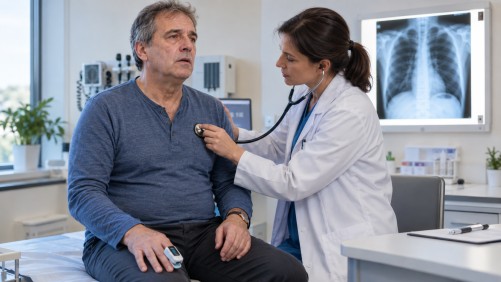
Shortness of breath, often overlooked as a sign of respiratory issues, can indicate underlying lung conditions even in the absence of a persistent cough. Conditions such as asthma, chronic obstructive pulmonary disease (COPD), and early-stage lung cancer may manifest with subtle symptoms that deserve attention.
Asthma, a common respiratory ailment, may not always result in a consistent cough. Individuals might instead experience symptoms like breathlessness, wheezing, or chest tightness, which can be episodic, appearing during physical exertion or exposure to environmental triggers like dust and pollution. These symptoms are sometimes dismissed as minor allergies or attributed to poor fitness.
Similarly, COPD is characterized by gradually worsening breathlessness. This progressive decline can make activities such as climbing stairs or walking uphill increasingly challenging. Smokers or those with a history of smoking should be particularly vigilant about any decrease in their physical stamina, as it might be misinterpreted as a normal part of aging.
Lung cancer in its early stages might not present with significant symptoms. However, signs such as a persistent or changing cough, chest pain, coughing up blood, unexplained weight loss, or frequent chest infections should prompt immediate medical evaluation, especially for those with significant risk factors.
Breathlessness without an obvious cause, particularly when it worsens over time, can be a crucial warning sign. Conditions like pulmonary fibrosis might cause a decline in exercise tolerance and increased shortness of breath before a noticeable cough develops. These changes should not be simply attributed to age or lack of fitness.
Medical assessment is recommended for individuals experiencing unexplained breathlessness, wheezing, reduced exercise capacity, recurrent chest infections, chest discomfort, hemoptysis, or unexplained weight loss. Depending on the symptoms and risk factors, physicians may suggest lung-function tests, chest imaging, or blood oxygen level assessments to diagnose and treat potential respiratory problems early.