
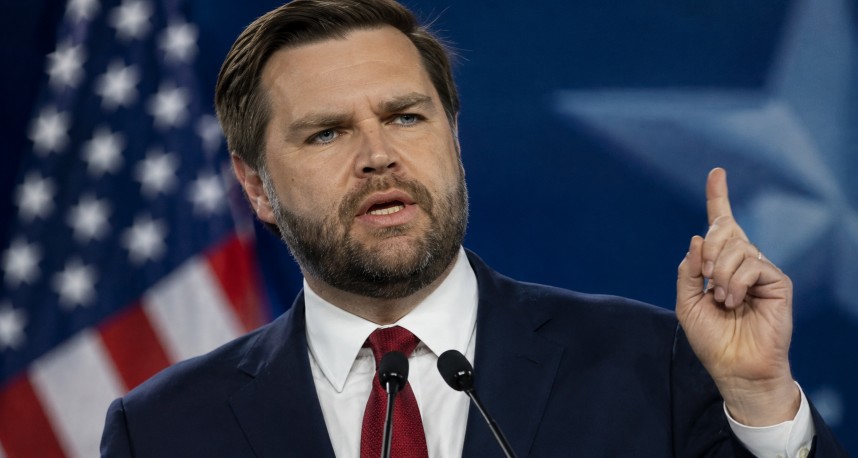
In a recent podcast interview, U.S. Vice President JD Vance revealed that certain officials within the Israeli government attempted to sway American public opinion against a U.S.-backed agreement designed to resolve conflicts with Iran. Vance expressed concern over these efforts, noting that while many nations attempt to influence U.S. policy, it becomes problematic when such actions impact American decision-making processes.
Vance defended the agreement, which was finalized last month, as a strategic move that aligns with U.S. interests by ending hostilities with Iran and imposing restrictions on Israel’s military activities related to Hezbollah in Lebanon. He highlighted the necessity of maintaining autonomy in U.S. foreign policy decisions, emphasizing the importance of the deal in supporting the broader objectives of the American administration.
These statements come after Vance previously voiced criticism of Israeli resistance to the Iran agreement. Despite the tensions, the White House has maintained that President Donald Trump and Vice President Vance are unified in their approach to managing the conflict and continue to support the administration’s current strategies.
At the time of the interview, Israeli officials had not issued a public response to Vance’s comments. The situation underscores the complexity of international relations and the challenges involved in balancing strategic interests while navigating the influences of allied nations.